
Describe the property
Send the location, symptoms, equipment and access details. State whether the work is a repair, replacement or planned project.
Need duct cleaning in Port Dover? Tell us which air ducts, dryer vent or ventilation equipment need attention. A responding provider will confirm coverage and availability before booking.
Get A Free QuoteCompare supply and return coverage, branch access, vacuum collection, and any camera documentation. Seasonal use and system layout can change which runs need inspection.
View scopeReview the full route from dryer connection to exterior hood. Ask whether the termination is opened and how airflow is assessed after clearing.
View scopeClarify whether blower, evaporator coil, and condensate path are included. Equipment design and mechanical-room access affect the proposed method.
View scopeCheck whether the scope covers the HRV core, screens, and drain, as well as separate bathroom or kitchen exhaust runs.
View scopeConsider treatment only after investigating odour and cleaning the system. Ask for product, label-use, and application details.
View scopeAsk whether leakage will be pressure-tested and documented, and distinguish joints needing mastic from crushed or corroded sections needing repair.
View scopeDefine separate scopes for general ductwork and kitchen grease exhaust. Set access, operating-hour, and documentation requirements before comparing proposals.
View scopeCommercial ventilation projects require a scope suited to the building, operating schedule, and system type. A restaurant kitchen, an inn, a retail space, and a marina facility may have different duct routes and equipment, while grease-laden exhaust requires specific attention. For a Port Dover property, gather equipment lists, access drawings, prior service records, and any inspection requirements. Ask which systems are included, whether work is planned during off-hours, and what photos or written records will be provided for property files.
Compare supply and return coverage, branch access, vacuum collection, and any camera documentation. Seasonal use and system layout can change which runs need inspection. Review the full route from dryer connection to exterior hood. Ask whether the termination is opened and how airflow is assessed after clearing. Clarify whether blower, evaporator coil, and condensate path are included. Equipment design and mechanical-room access affect the proposed method.
Check whether the scope covers the HRV core, screens, and drain, as well as separate bathroom or kitchen exhaust runs. Consider treatment only after investigating odour and cleaning the system. Ask for product, label-use, and application details.
Ask whether leakage will be pressure-tested and documented, and distinguish joints needing mastic from crushed or corroded sections needing repair. Define separate scopes for general ductwork and kitchen grease exhaust. Set access, operating-hour, and documentation requirements before comparing proposals.
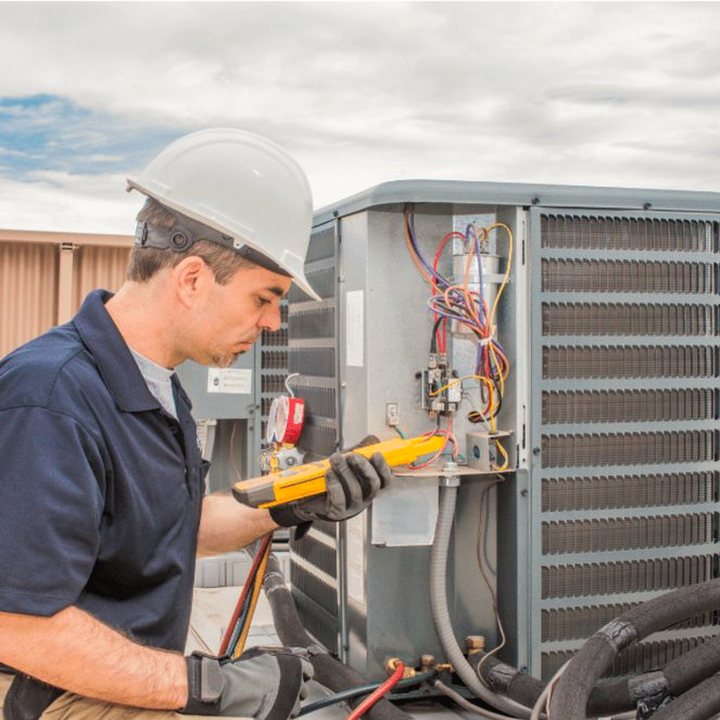
A dryer vent project can involve more than the connection behind the appliance. The route may pass through walls or ceilings before reaching an exterior hood, and lint or a restricted termination can affect the work required. For a Port Dover property, note how often laundry is used, especially in a rental or busy household, and photograph the dryer connection and outside cap if safely visible. Ask whether the proposed scope follows the full route, services the termination, and explains how airflow will be checked.
Explore this serviceSend the location, symptoms, equipment and access details. State whether the work is a repair, replacement or planned project.
The request is reviewed so the responding provider can clarify the work, property access and service coverage.
Agree the provider identity, qualifications, written scope, pricing and visit window directly. Sending a form does not confirm an appointment.
If a return duct has gaps near a crawlspace or foundation, the potential pathway should be inspected rather than assumed from dust alone. Photograph accessible connections and note nearby moisture or debris. Ask which joints and boots will be sealed, and how the method addresses the actual opening without obscuring damaged material.
A cottage used for a few weeks and a home occupied year-round may need different inspection priorities. Record when the system last ran, which parts of the house are occupied, and any long periods of closure. Ask whether the quoted work covers both supply and return ducts, every accessible branch, and the air handler connection.
Frequent laundry in a household or rental can make vent condition worth checking as part of routine property planning. Record how often the dryer runs and whether drying times have changed. Ask what the inspection includes and whether the full route will be cleared; usage helps prioritize assessment but does not establish the cause of a performance problem.
The heat-recovery core, screens, and condensate drainage are distinct components. Ask which parts the proposed service includes and whether the unit’s instructions affect removal or cleaning. A photo of the model label and any visible water around the unit can help identify access or drainage questions before the scope is set.
An evaporator coil and its condensate path are separate items to discuss. Note visible water, buildup, or restricted access, and ask how the coil will be inspected and cleaned in place if that method suits the equipment. Confirm whether the drain path is included; coil condition and drainage access can change the work required.
Use the form to describe the property, the symptoms and the work requested. For Simcoe, Waterford, Port Rowan, Delhi, include your postal code so local coverage can be checked.
Use the listed places to find service information or start an inquiry. Include your property address or postal code so the provider can confirm coverage and scheduling.